
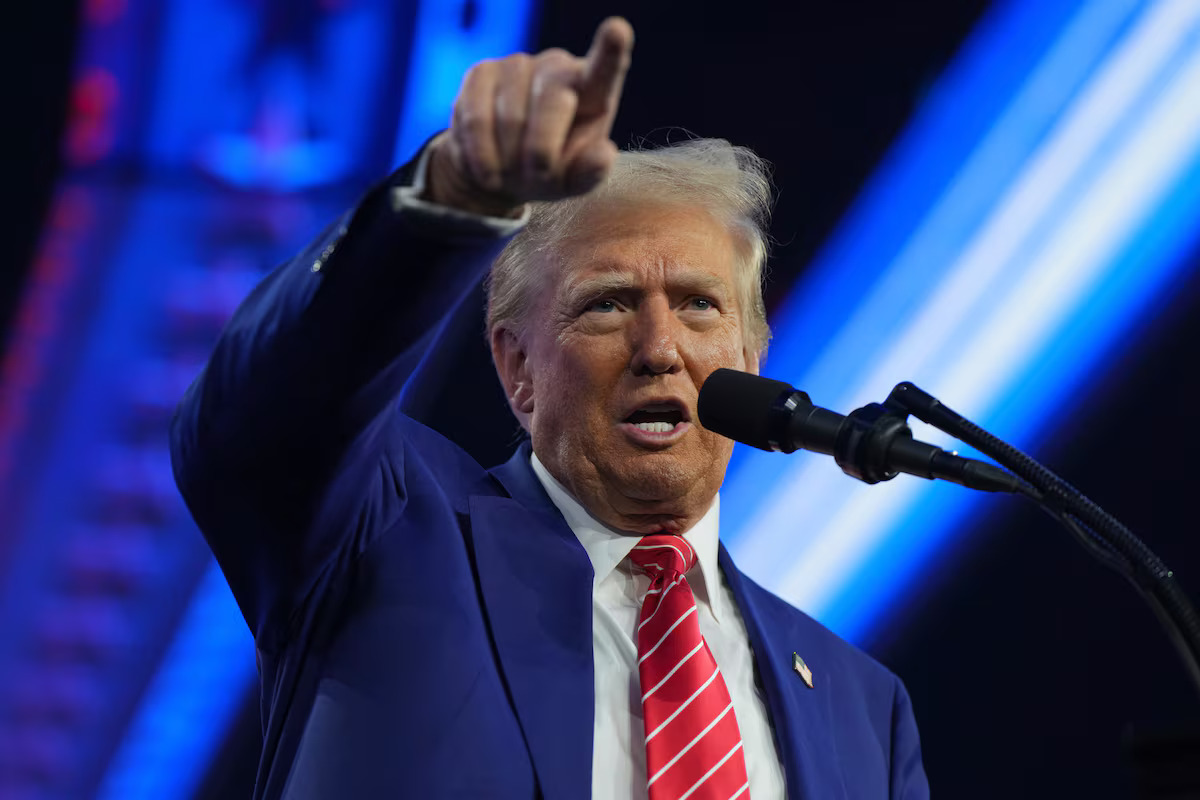
Since his election as U.S. President in November Donald Trump has been busy making a series of bombastic threats to Canada as part of an effort to require Canada to make a series of policy changes that Trump sees would advance his “Make America Great Again” agenda.
Tariff Threat
First out of the gate was his threat to impose a 25% tariff on Canadian imports. This tariff threat seems to be designed to secure better trade terms for the U.S. but also to leverage these threats to address what Trump says are significant issues he has with Canada related to the flow of drugs and migrants across the border. This has sparked significant concern /more and analysis, with some suggesting that Canada has become collateral damage in what is really a U.S.-Mexico issue.
Observers have described a number of important points to understand with regard to this threat.
- Economic Impact: The tariffs could severely impact both the Canadian and U.S. economies. Canada’s GDP could shrink by 2.6%, costing Canadians approximately CAD $78 billion annually. The U.S. GDP could also shrink by 1.6%, costing Americans approximately USD $467 billion annually. (Source: Canadian Chamber of Commerce Business Data Lab study)
- Industry-Specific Effects: Key industries like energy, autos, mining, and pharmaceuticals would be hit the hardest. For example, the Canadian energy sector, which exports a significant amount of crude oil to the U.S., would face major disruptions.
- Retaliatory Measures: Canada is considering various retaliatory measures, including export taxes on commodities like crude oil, potash, and uranium. There are also discussions about restricting imports of U.S.-made alcohol and limiting exports of Canadian critical minerals.
- Negotiation Tactics: Some experts believe that Trump’s tariff threats are more of a negotiation tactic rather than a certain policy. This approach aims to leverage upcoming trade negotiations, similar to tactics used during the original NAFTA re-negotiations.
- Consumer Impact: The tariffs would likely raise costs for businesses and consumers in both countries, making American production less competitive internationally and increasing prices for consumers.
Overall, the analysis suggests that Trump’s tariff threats could lead to significant economic fallout for both Canada and the U.S., with potential retaliatory measures and negotiation tactics playing a crucial role in the unfolding situation.
For more detail on these issues see the articles linked below.
- Trump’s threatened tariffs would severely impact Canadian energy — if they happen | CBC News
- Canada to Consider Export Tax on Commodities as Part of Trump Tariff Response | Morningstar
- Trump’s tariffs would crush Canada’s economy. Why some industry leaders are calling his bluff | CBC News
Trump has made several other threats towards Canada beyond the tariff threats. Some, such as his general threat to deport undocumented immigrants, are likely to occur. Others, such as his suggestion that he should make Canada the 51st state seem more likely to be the late night ramblings of a serial social media abuser. But in all cases, and certainly by design, they are having negative effects on Canada and Canadians.
Deportation Threat
Trump repeated often during his election campaing that he was intent on deporting millions of undocumented immigrants. If this policy is implemented, it could have significant negative impacts on Canada.
- Increase in Border Crossings: Canada is preparing for a potential surge in border crossings as undocumented immigrants in the U.S. seek refuge. This could lead to an increase in asylum claims at official ports of entry and attempts to make clandestine crossings into Canada.
- Strain on Resources: The influx of immigrants could strain Canada’s resources, including housing, legal aid, and social services. Community groups and government agencies are gearing up to handle the increased demand.
- Policy Adjustments: Canada may need to adjust its immigration policies and border security measures to manage the situation. This includes enhancing border patrols and setting up emergency reception facilities.
- Humanitarian Concerns: There are concerns about the safety and well-being of migrants, especially those attempting dangerous crossings in harsh weather conditions.
Overall, Trump’s deportation threats could lead to significant challenges for Canada, requiring coordinated efforts to address the potential humanitarian and logistical issues that would arise.
Sovereignity Threat
Trump has recently taken to calling Canada’s Prime Minister Justin Trudeau “the Governor of Canada) and has suggested that Canada should become the 51st state of the United States. He claims that Canadians would benefit from lower taxes, increased military protection, and economic growth.
Canadian Prime Minister Justin Trudeau has not publicly responded to Trump’s taunts. However, former Quebec premier Jean Charest cautioned Trump to “think twice before invading Canada,” referencing the War of 1812 when U.S. advances on Canadian territory ended in defeat. A poll by the Leger research firm found that 13% of Canadians would like the country to become a U.S. state, with support strongest among men and Conservative Party supporters. Some right-wing commentators in Canada have decided to take up the issue suggesting it would be a good idea. See article on O’Leary.
Trump’s comments, which also included similar suggestions related to the Panama Canal and Greenland, have been compared by some to past U.S. leaders’ expansionist rhetoric, evoking the 19th-century doctrine of Manifest Destiny. Most analysts believe Trump’s remarks are more rhetorical provocations rather than serious policy proposals. However, they highlight the strategic undertones of his statements, especially in the context of U.S. territorial expansion.
Government of Canada Reaction
Prime Minister Justin Trudeau has taken several steps in response to Trump’s threats, particularly regarding tariffs and border security:
Trudeau has met with Canada’s provincial premiers to discuss and coordinate a response to Trump’s threats. These meetings have focused on strengthening border security and addressing Trump’s concerns about illegal immigration and drug trafficking. See Trudeau meets Premiers and Trudeau meets Premiers.
Trudeau’s government is working on a comprehensive plan to enhance border security. This includes measures like restricting chemical precursors used to make fentanyl and improving coordination between the RCMP and other police forces. See article on New Border Plan.
Trudeau has called for calm and strategic responses to Trump’s threats, emphasizing the importance of not panicking and making thoughtful arguments against the tariffs.
Trudeau and his ministers have been reaching out to U.S. officials to address the concerns and find diplomatic solutions. See article on Trudeau’s meeting with Trump and article on Trudeau Ministers meeting Trump officials.
No doubt these issues will dominate much of the political debate in 2025 here in Canada.
And lurking around the corner is the previously scheduled 2026 review, and possible renegotiations of the Canada-United States-Mexico Agreement (CUSMA).
Leave a Reply